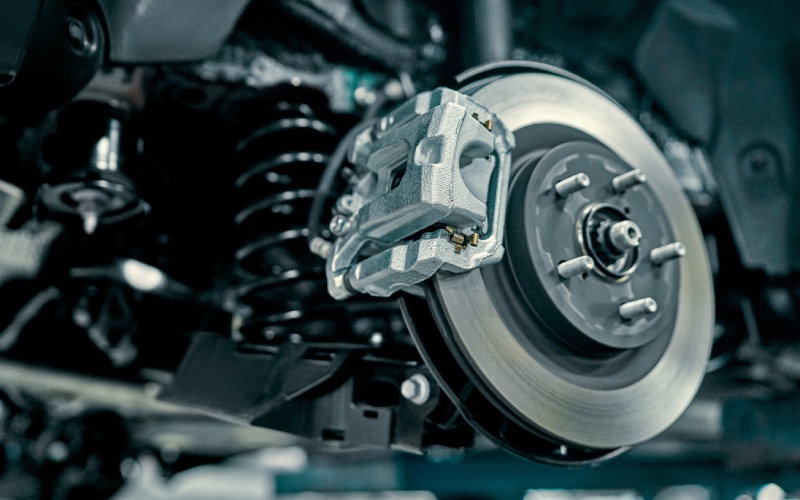
Montgomeryville Acura - OEM Acura Brakes, Rotors, and Expertise for Confident Stops in Montgomeryville, PA
Brakes are the confidence pedal. Every time you merge off Bethlehem Pike, roll through the Five Points intersection, or cruise the 202 Parkway, you count on your Acura to stop smoothly and predictably. That peace of mind starts with high-quality components designed for your specific model, installed or supplied by people who know your vehicle inside and out.
Our parts department is dedicated to one thing above all else—equipping your Acura with the right brake components for safer, quieter, more consistent stops. At Montgomeryville Acura, our parts specialists match genuine Acura pads, rotors, hardware, and fluid to your VIN, explain why each piece matters, and help you decide whether a DIY install or a visit to our service bays is the best path for you.
If you live or work in Montgomeryville, PA, you know how varied local driving can be—suburban stop-and-go one minute, faster highway stretches the next. That mix puts your braking system to the test. The right parts keep performance steady across traffic, short hops, longer commutes, and everything in between.
Why Genuine Acura Brake Parts Matter
Genuine Acura brake components are engineered alongside your vehicle’s chassis, suspension, and ABS calibrations. That means precise fitment, consistent friction characteristics, and the quiet, linear pedal feel your Acura was built to deliver. Aftermarket parts can work, but even small differences in pad compound, shim design, or rotor metallurgy can change how the pedal feels, how the ABS engages, and how your brakes sound under light or hard stops.
OEM pads and rotors are also tested for noise, vibration, and harshness. They use multi-layer shims, optimized chamfers, and slots where specified to minimize squeaks and squeals. Rotors are balanced and finished to resist pulsation. It all adds up to the confidence you want when you need to stop—especially in tight, real-world moments.
What You Will Find at Our Parts Counter
Whether you are maintaining a daily-driven MDX, refreshing the feel of a TLX, or prepping an Integra for road-trip duty, our parts counter stocks the essentials and secures specialty components quickly. Every recommendation is tied to your VIN and driving style to keep braking performance consistent and predictable.
- Genuine Acura brake pads: Model-specific compounds for consistent friction, low dust, and quiet operation with factory-calibrated ABS.
- Brake rotors: Precisely balanced, mill-corrected surfaces with corrosion-resistant coatings on hats and edges to help maintain a smooth pedal.
- Calipers and slide pin kits: Restore even clamping force and prevent uneven wear, dragging, and premature pad glazing.
- Brake hardware and shims: New anti-rattle clips, springs, and multi-layer shims reduce noise and preserve proper pad fitment.
- Brake fluid: Factory-spec DOT 3 or DOT 4 fluid that protects ABS components and preserves firm, consistent pedal feel.
- ABS wheel speed sensors: Accurate wheel data that keeps stability control and anti-lock braking systems working as designed.
- Parking brake shoes and cables: Reliable hill-hold on grades and consistent electronic parking brake actuation.
Prefer to wrench at home? We will assemble a complete, model-correct kit—pads, rotors, hardware, fluid, and wear sensors if applicable—and have it ready for pickup. Want a seamless visit? Our service team can install everything using Acura procedures and torque specs, then road-test your vehicle to verify performance.
Signs Your Acura May Need Brake Attention
Brake wear can be gradual, so it helps to know what to look—and listen—for. If you notice any of these signs, it is time to stop by our counter or schedule an inspection. Catching issues early often protects rotors and keeps repair scope smaller.
- Squealing or chirping: Wear indicators contacting the rotor signal it is time for pads.
- Grinding: Metal-on-metal sounds suggest pads are worn through and rotors may be damaged.
- Vibration or pulsation: Steering wheel or pedal shake points to rotor thickness variation or deposits.
- Soft or spongy pedal: May indicate moisture in fluid or air in the hydraulic system.
- Longer stopping distances: A clear cue that friction performance has drifted from spec.
- Pulling to one side: Could be a sticking caliper, contaminated friction surface, or uneven pad transfer.
- Dashboard brake or ABS light: System is signaling a fault that needs prompt diagnosis.
- Burnt odor after hard stops: Excessive heat can glaze pads and reduce performance.
Our local driving mix—frequent lights on 309, rolling grades toward Doylestown, and neighborhood speed humps—can accelerate wear on pads and hardware. Plan on routine inspections during oil changes, and expect pad life to vary with driving style, load, and route.
Brake Fluid and Rotors — The Unsung Heroes
Brake fluid does more than transfer force. It absorbs moisture over time, lowering its boiling point and risking a soft pedal under repeated stops. We recommend replacing fluid about every three years or as indicated by Maintenance Minder to protect ABS components and keep pedal feel precise.
Rotors are equally important. Even with healthy pads, a rotor below minimum thickness or with excessive runout can cause pulsation and longer stops. OEM rotors are spec’d for your caliper and pad compound to manage heat and resist warping. When it is time, replacing rotors in pairs with the correct hardware and performing a proper bed-in sequence helps lock in smooth, confident performance.
DIY or Let Us Install — You Choose
If you enjoy DIY projects, our team will set you up with the exact components, torque specs, and bed-in guidance you need. If you prefer a turnkey experience, our Acura-trained technicians can install your parts, lubricate slide pins, verify rotor runout, perform a fluid exchange if requested, and road-test the vehicle—so you leave with a confident, consistent pedal.
- Gather your VIN: Ensures we identify the correct pad compound, rotor size, and hardware.
- Tell us about your driving: Commuting, spirited backroads, or frequent cargo loads shape our recommendations.
- Confirm rotor specs: We will verify diameter, ventilation, coating, and compatibility with your trim.
- Ask about hardware and sensors: Fresh clips, shims, wear indicators, and ABS sensors prevent noise and comeback issues.
- Plan installation and break-in: We can share torque specs and a bed-in sequence or book professional installation.
From online ordering to quick pickup at our parts counter, we make it simple to get the exact components your Acura needs in Montgomeryville, PA. If you want same-visit installation, our service team can coordinate with the parts counter to streamline your time here.
Frequently Asked Questions:
Are OEM Acura brake pads worth it over aftermarket options?
Yes if you value consistent pedal feel, quiet operation, and predictable ABS performance. OEM pads are engineered with your model’s weight, rotor metallurgy, and ABS tuning in mind. Aftermarket pads can vary in compound and shim design, which may change noise characteristics and how your brakes feel under different temperatures.
How often should I replace brake pads?
Most drivers see 25,000 to 60,000 miles, but it depends on traffic, terrain, and driving style. Stop-and-go routes, hills, and heavier loads shorten pad life. Have pads inspected at every oil change and follow Maintenance Minder prompts for the most accurate timing.
Do I need to replace rotors every time I replace pads?
Not always. Rotors should be measured for thickness, checked for runout, and inspected for heat spots or deep grooves. Modern rotors have less spare material than older designs, so replacement is often the best path. We will advise you based on your rotor condition and Acura specs.
Which brake fluid does my Acura use, and how often should it be changed?
Most Acura models use DOT 3 or DOT 4 fluid—check your cap or owner’s manual. Replace fluid about every three years or as indicated by your vehicle’s Maintenance Minder. We stock factory-spec fluid that protects ABS components and preserves pedal consistency.
Can I upgrade to slotted or drilled rotors?
It depends on your goals. For daily driving, OEM-spec blank rotors generally offer the quietest and most consistent performance. Slotted or drilled designs can help with pad cleaning or gas evacuation in repeated high-heat use but may introduce more noise. Tell us how you drive, and we will recommend a setup that fits.
Why do new brakes sometimes squeak?
Light noise can occur during initial bed-in, with surface rust after a damp night, or if hardware and shims are not replaced. Genuine pads with new hardware and a proper burnish procedure typically settle quickly. If noise persists, we can inspect fitment and rotor condition.
Whether you buy parts at the counter or schedule an install, our goal is the same—confident braking that feels right every time you press the pedal. Stop by our parts department today, and let us help you choose the pads, rotors, hardware, and fluid that keep your Acura stopping strong for every drive ahead.