Rotor Resurfacing vs. Rotor Replacement in Montgomeryville, PA
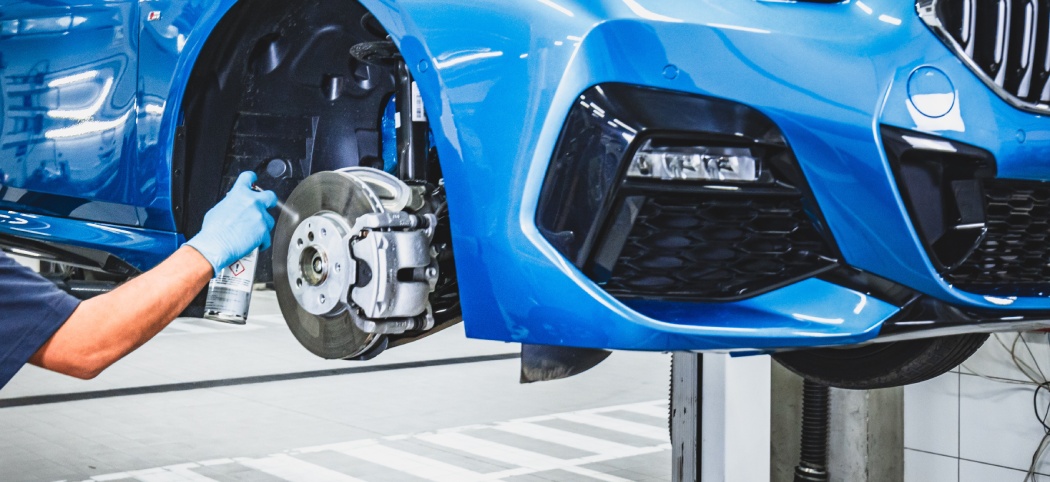
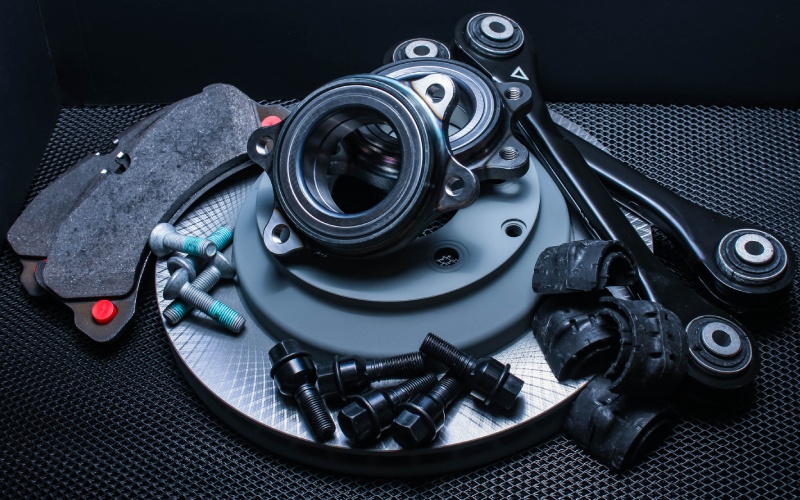
Brake rotors play a major role in how confidently your vehicle slows, stops, and handles repeated braking. When you press the brake pedal, the pads clamp against the rotors, converting motion into heat. Over time, that heat, friction, and everyday driving can leave grooves, thickness variation, glazing, or vibration-causing unevenness on the rotor surface. For drivers commuting along Route 309, Bethlehem Pike, and nearby roads around Lansdale, North Wales, and Doylestown, frequent stop-and-go braking can make rotor condition especially important. At Montgomeryville Acura, our certified technicians inspect brake pads, rotors, and brake fluid as part of a complete brake evaluation, using factory-recommended procedures and genuine Acura parts when replacement is needed. The key question is whether a rotor can be resurfaced or should be replaced. Resurfacing, also called machining or turning, removes a thin layer of metal to create a smoother contact surface. Replacement installs a new rotor with full thickness and original design characteristics. Both can restore braking performance when used correctly, but the right choice depends on rotor thickness, surface condition, heat damage, vehicle specifications, and your long-term ownership plans in Montgomeryville, PA.
When Rotor Resurfacing Makes Sense
- Light surface scoring: Minor grooves or uneven pad deposits may be corrected if enough rotor material remains.
- Brake pulsation: Mild pedal vibration from thickness variation may improve after precise machining.
- Pad replacement compatibility: A fresh rotor surface can help new pads bed in more evenly.
- No heat cracking: Rotors with cracks, severe hot spots, or structural damage should not be machined.
- Within service limits: The rotor must remain above the manufacturer minimum thickness after machining.
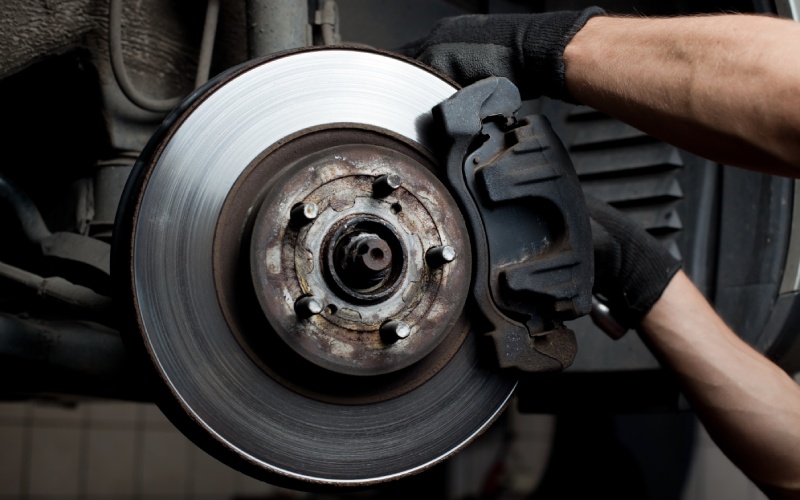
Resurfacing can be a smart option when the rotor is still structurally sound and the issue is primarily surface-related. A technician measures thickness at multiple points, checks lateral runout, and looks for blue discoloration, hard spots, rust scaling, or deep grooves before recommending machining. If a rotor is only slightly uneven, machining can restore smoother pad contact and reduce noise, vibration, and harshness during braking. However, resurfacing is not a shortcut for a worn-out component. Removing metal reduces heat capacity, and thinner rotors may be more prone to warping, fade, or premature wear. That is why resurfacing should always be tied to measurement, not guesswork. Our Acura Accelerated Service process includes brake component inspection and brake lining measurement during qualifying maintenance visits, giving drivers a clearer picture of brake health before symptoms become more noticeable.
Minimum Thickness Limits and Why They Matter
Every brake rotor has a manufacturer-specified minimum thickness, sometimes stamped on the rotor hat or listed in the service information for that vehicle. This specification is not a suggestion; it is a safety limit based on the rotor’s ability to absorb heat, maintain strength, and provide proper clamping force with the brake pads and caliper. A rotor may look usable but still be too thin to machine or continue using. During inspection, a technician uses a micrometer to measure the rotor at several locations because wear is not always uniform across the disc. The technician also estimates how much material machining would remove. If the finished rotor would be at or below the minimum thickness, replacement is the correct repair. In some cases, rotors also have a “machine-to” thickness that is slightly above the discard limit, leaving a safety margin for continued use. Driving below minimum thickness can increase stopping distance, brake fade, pedal pulsation, and the risk of cracking under repeated heat cycles. At Montgomeryville Acura, our service center supports Acura models and other makes, but Acura vehicles receive the added benefit of technicians familiar with model-specific brake system design, factory specifications, and proper parts fitment for confident service in Montgomeryville, PA.
Cost Comparison and Braking Performance Differences
- Resurfacing cost profile: Usually lower parts expense because the existing rotor stays on the vehicle, but labor and rotor condition still matter.
- Replacement cost profile: Higher upfront parts investment, but new rotors provide full thickness, fresh metallurgy, and longer remaining service life.
- Short-term value: Machining can make sense when rotors are healthy and only need surface correction.
- Long-term value: Replacement may be more practical when rotors are near the service limit or likely to need attention again soon.
- Brake feel: Properly finished rotors support smoother stops, while worn or uneven rotors can cause vibration, noise, and inconsistent pedal feedback.
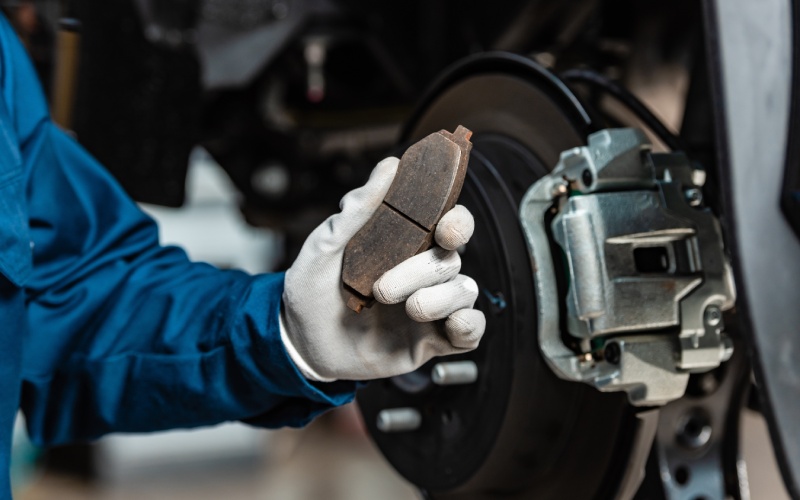
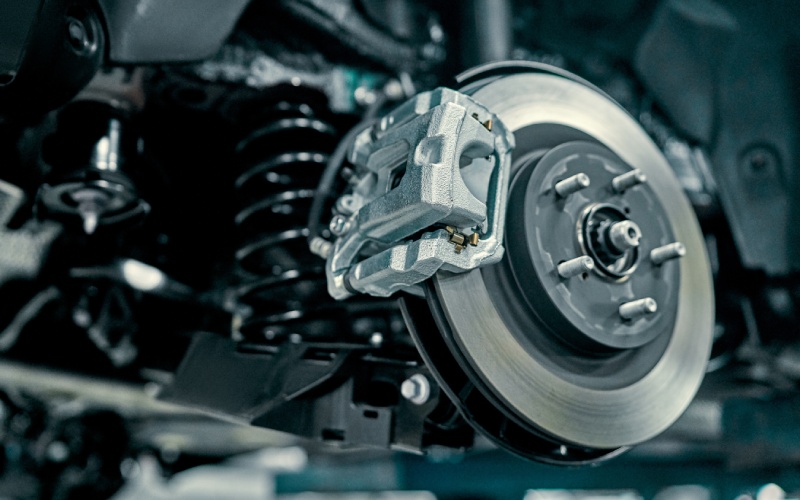
Cost should be viewed alongside safety, performance, and future maintenance. Resurfacing may reduce immediate repair expense when the rotor has enough material and no structural concerns. Replacement often delivers better long-term value when rotors are thin, heavily grooved, corroded, overheated, or matched with high-performance braking demands. New rotors can dissipate heat more effectively than overly thin machined rotors, which helps maintain consistent stopping power during repeated braking. That matters for daily driving, highway merging, school drop-offs, and local traffic where smooth, predictable braking is part of vehicle confidence. New pads installed on damaged rotors may wear unevenly, create noise, or fail to deliver the pedal feel expected from a properly serviced Acura. The best recommendation comes after a full inspection of pads, rotors, calipers, brake fluid condition, and tire contact quality, since braking performance depends on the entire system working together.
FAQ
Can rotors be resurfaced every time brake pads are replaced?
No. Rotors can only be resurfaced if the surface condition is suitable and enough material remains above the minimum thickness after machining. If the rotor is too thin, cracked, severely grooved, warped beyond correction, or heat-damaged, replacement is the safer and more effective choice.
How can I tell if my rotors need attention?
Common warning signs include steering wheel vibration while braking, pedal pulsation, scraping or grinding sounds, longer stopping distance, visible grooves, or a shudder when slowing from highway speeds. A visual check can help, but accurate diagnosis requires thickness measurement and runout inspection.
Does resurfacing affect braking performance?
When performed correctly on a qualified rotor, resurfacing can improve pad contact and create smoother braking. However, machining removes metal, so the rotor has less heat capacity than before. If the rotor is already close to its limit, replacement supports better durability and more consistent braking.
Should both rotors on the same axle be replaced or resurfaced together?
In most cases, yes. Servicing rotors in axle pairs helps maintain balanced braking, even pad wear, and consistent pedal feel from side to side. A technician can confirm the right approach after inspecting both front or rear rotors.
Schedule Rotor Service with Acura-Trained Technicians
Choosing between rotor resurfacing and rotor replacement is not about picking the cheapest or most aggressive repair; it is about matching the service to the actual condition of the brake system. A rotor with light surface variation and plenty of remaining thickness may be a good machining candidate. A rotor near its service limit, visibly damaged, or unable to manage heat properly should be replaced. Montgomeryville Acura offers convenient online scheduling, Acura-trained technicians, brake inspections, genuine Acura parts, multi-point inspections, and helpful amenities such as a comfortable lounge, available shuttle options, and after-hours drop-off. Our service team can inspect your brake pads, measure rotor thickness, check brake fluid condition, and explain the findings in clear terms before work begins. If your vehicle is vibrating during stops, making brake noise, or due for maintenance, schedule brake service with Montgomeryville Acura today. Our team is ready to help you drive with smoother stopping power, stronger confidence, and brake components properly matched to your vehicle’s needs in Montgomeryville, PA.