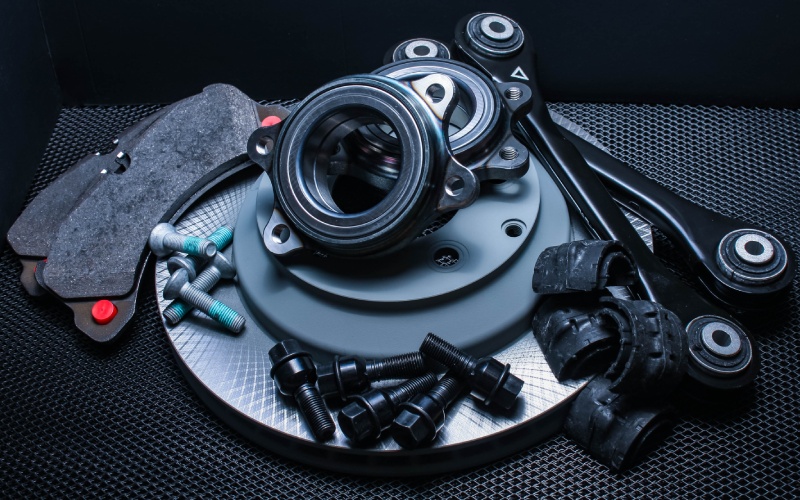
Montgomeryville Acura - Confident Braking and OEM Parts Support near Lansdale, PA
Brakes are the unsung heroes of every drive, turning momentum into calm, predictable stops at a moment’s notice. If you’re hearing new sounds when you slow down, feeling vibration through the pedal, or simply planning ahead for routine maintenance, the right brake parts make all the difference. Our parts department is here to help you choose with confidence, so your vehicle stops smoothly and consistently on everyday routes around Bethlehem Pike, US 309, and the neighborhood streets that make up your daily routine.
In this guide, you’ll find clear explanations of brake types, the parts that matter most, how to spot wear, and how our team supports you with the correct components and practical installation tips. We’ll also touch on local driving considerations near Lansdale, PA so your choices fit your commute as well as your car.
Know Your Braking System
Most modern vehicles use hydraulic disc brakes at the front wheels and, in many cases, at all four corners. Some models still use drum brakes at the rear. Many hybrids and EVs add regenerative braking, which slows the car by using the electric motor to recapture energy, while still relying on the friction brakes for final stopping and emergency situations. Understanding which system you have ensures you select parts that fit and perform as intended.
- Disc brakes: A caliper squeezes brake pads against a rotor to create friction that slows the wheel.
- Drum brakes: Shoes expand outward inside a drum to create friction and stopping force.
- Regenerative braking: An electric motor provides deceleration and recharges the battery, with friction brakes taking over as needed.
Within disc systems, your choice of rotor and pad materials influences pedal feel, brake dust, and noise. Vented rotors help manage heat. Slotted or drilled rotors can improve gas and dust evacuation for performance applications, though many daily drivers do best with high-quality, standard vented rotors engineered for low noise and smooth engagement.
Brake Pad Materials and What to Expect
Brake pad compounds are engineered for different goals—quiet operation, strong bite at low temperatures, or sustained performance over long descents. The right match depends on how and where you drive.
- Ceramic pads: Quiet, low dust, consistent performance in daily use—excellent for suburban commuting and frequent traffic lights.
- Semi-metallic pads: Strong initial bite and heat management—good for spirited driving or repeated stops, often with more dust and potential for mild noise.
- Organic (NAO) pads: Smooth, gentle pedal feel—typically less durable than ceramic or semi-metallic.
- Low-metallic pads: Balanced performance and heat resistance—can produce more dust and occasional squeal.
Rotors deserve similar consideration. Quality metallurgy and proper ventilation matter more than cosmetic features. For most commuters, OEM-spec vented rotors deliver the quiet, stable stops you want without unnecessary noise or pedal harshness.
Signs It’s Time for Brake Service
Not every symptom points to the same fix, which is why a little diagnosis goes a long way. If you recognize any of the signs below, plan an inspection soon and bring your VIN or plate when you visit our parts counter so we can confirm the exact parts your vehicle needs.
- Squealing or chirping: Often pad wear indicators making contact—time for pads and a hardware refresh.
- Grinding: Pad friction material may be gone—rotors might also need replacement.
- Pulsation under braking: Possible rotor thickness variation or uneven pad transfer—new rotors and pads typically resolve this.
- Pulling to one side: Potential caliper slide, hose restriction, or uneven pad wear—inspect before ordering parts.
- Soft or spongy pedal: Could be air in the system or aging fluid—bleed the brakes and verify fluid spec.
- Warning lights: ABS or brake wear indicators suggest targeted inspection and the correct replacement sensors or components.
Local driving patterns can accelerate wear. Frequent stops along Broad Street, rolling hills toward Gwynedd Valley, and quick lane changes near shopping centers around Montgomery Mall all add up to more heat cycles and pad use. Choosing the correct pad compound and replacing hardware like clips and shims when you replace pads helps keep your system quiet and responsive.
How Our Parts Department Supports Your Brake Replacement
Our goal is to make brake service straightforward and confidence-inspiring, whether you prefer to install parts yourself or schedule with our service team. We help you select the right components and understand how they work together for smooth, predictable stops.
- OE fitment verification: We match pads, rotors, and hardware by VIN—no guesswork about sizing or sensor compatibility.
- Quality you can trust: OEM and vetted aftermarket options designed for quiet operation, proper heat management, and long-term durability.
- Complete kits: Pad sets, rotors, shims, and hardware to ensure even pad movement and reduce noise over time.
- Expert guidance: Clear, everyday-language advice on pad compounds, rotor choices, and fluid specs for your exact model and driving style.
- Brake fluid and accessories: DOT-spec fluids, wear sensors where equipped, caliper slide pin lubricant, and new bleeder caps to finish the job right.
- Support after the sale: Tips for bedding-in, torque guidance, and what to watch for on the test drive to confirm proper operation.
Because daily driving around the suburbs can include everything from school pick-ups to highway merges, we focus on balanced solutions—quiet, confident stops and parts that integrate cleanly with factory ABS and stability systems.
Choosing Parts That Fit Your Drive
There’s no one-size-fits-all answer, but there is a right answer for your routine. If your day includes stop-and-go traffic, neighborhood speed control devices, and frequent short trips, prioritize quiet pads and rotors designed to minimize dust and vibration. If you spend more time on the highway or appreciate a firmer initial bite, a semi-metallic pad paired with high-quality vented rotors might better match your expectations.
- Quiet-first commuters: Ceramic pads with OEM-spec vented rotors for low noise and dust.
- Spirited drivers: Semi-metallic pads with robust vented rotors for heat stability and consistent bite.
- Long-hill travelers: Heat-resistant pad compounds and fresh fluid to maintain pedal feel on extended descents.
- Low-maintenance seekers: Pad and rotor combos known for even wear plus stainless hardware clips to help maintain free pad movement.
Don’t overlook brake fluid. It’s hygroscopic, which means it absorbs moisture over time and can reduce braking performance under heat. Always match the manufacturer’s specification—commonly DOT 3, DOT 4, or DOT 5.1—and replace fluid at recommended intervals or whenever the system is opened for major service.
Installation Essentials That Protect Your Investment
Whether you’re performing the work yourself or partnering with our service team, a few best practices go a long way toward quiet, effective brakes and longer component life.
- Clean contact surfaces: Remove rust from hub faces and rotor hats so rotors sit true and runout stays minimal.
- Replace hardware: New abutment clips, shims, and guide pin boots maintain even pad pressure and reduce noise.
- Lubricate wisely: Use high-temperature brake lubricant on slide pins and contact points—keep it off pad friction surfaces and rotors.
- Observe torque specs: Caliper bracket bolts and lug nuts need correct torque and tightening sequence to prevent pulsation.
- Bed-in new pads: Follow the pad maker’s procedure to transfer an even layer of material to the rotor face for smooth, quiet braking.
- Mind electronic systems: Some vehicles require service mode for electronic parking brakes or need wear sensor resets after pad replacement.
If your vehicle uses brake wear sensors or has an electronic parking brake, ask us for the correct sensor pigtails or service-mode guidance. A quick check upfront saves time and helps avoid warning lights after installation.
Repair or Replace? Making the Call
Some rotors can be resurfaced if they remain above minimum thickness and show only minor irregularities, but many modern rotors are designed to be replaced with the pads for best results. Calipers that stick due to corroded slide pins may only need fresh pins and boots; seized pistons or torn dust boots can call for replacement calipers. Rubber hoses that show cracking, bulging, or age-related stiffness should be replaced to maintain consistent hydraulic pressure and pedal feel.
When you are ready, stop by our parts counter at Montgomeryville Acura. Bring your VIN or plate number, and we’ll confirm exact fitment, help you choose the right pad and rotor combination, and set you up with the fluid and hardware that make the job go smoothly. Our goal is the same as yours—quiet, confident braking that feels right from the very first stop.
Frequently Asked Questions:
How often should I replace my brake pads and rotors?
It depends on driving style, mileage, and conditions. Many drivers see 30,000 to 60,000 miles from a set of pads, while rotors can last longer. Stop-and-go commuting and hilly routes shorten those intervals. Inspect during every tire rotation to catch wear before it affects stopping distance or noise levels.
Do I need to replace rotors every time I replace pads?
Not always, but pairing new pads with new or freshly machined rotors that meet thickness specs delivers the best results—quiet operation, even wear, and a smoother pedal. If rotors are near minimum thickness or show significant pulsation, replacement is the better choice.
Which brake fluid should I use?
Use the specification listed in your owner’s manual—commonly DOT 3, DOT 4, or DOT 5.1. These fluids are glycol-based and compatible with each other in many cases, but performance and boiling points vary. Silicone-based DOT 5 is not interchangeable with most systems and is rarely specified for modern passenger vehicles.
Are drilled or slotted rotors worth it for daily driving?
For most commutes, high-quality OEM-spec vented rotors are ideal—quiet, dependable, and cost-effective to maintain. Drilled or slotted rotors can help in repeated high-heat scenarios, but they are not necessary for everyday suburban driving.
What’s the right way to bed-in new brakes?
Follow the pad manufacturer’s steps, which usually include a series of moderate stops from 30 to 40 mph to transfer an even layer of pad material onto the rotor. Avoid hard panic stops during the first 200 miles unless necessary, and allow cooling time between bedding runs.
Can your parts team help if I’m unsure what my car needs?
Absolutely. Share your VIN, driving habits, and any symptoms you are experiencing. We will recommend pads, rotors, hardware, and fluid that fit your vehicle and support the braking feel you prefer, along with practical tips to complete the job with confidence.
Ready to restore confident braking and a quiet cabin? Visit our parts department near Lansdale, PA, and let us help you match the right components to your vehicle and your daily drive. From fitment verification to practical installation guidance, we are here to make every stop feel smooth and secure.