Montgomeryville Acura - When to Schedule Acura Brake Fluid Service in Lansdale, PA
Brake fluid is one of the most important fluids in your vehicle, yet it is easy to overlook because it does not get changed as often as engine oil. If you drive around Lansdale, PA, your brakes work through neighborhood stops, Route 309 traffic, Bethlehem Pike errands, school drop-offs, and longer commutes across Montgomery County. Each time you press the brake pedal, brake fluid transfers force through the hydraulic system so your calipers can apply pressure to the brake pads. When that fluid is clean and in good condition, pedal feel stays consistent and braking response remains predictable. When brake fluid ages, absorbs moisture, or becomes contaminated, the system can feel less confident and may place additional stress on brake components.
Our Acura service team recommends treating brake fluid as a safety-related maintenance item, not an afterthought. Many service schedules call for brake fluid replacement around mileage or time-based intervals, and Acura Maintenance Minder guidance can help you know when brake-related maintenance deserves attention. Local driving makes a difference, too. A vehicle used mostly for short trips may experience frequent brake cycling, while a vehicle used for highway commuting may show different wear patterns. Brake fluid condition should be evaluated along with brake pads, rotors, calipers, lines, and the overall hydraulic system. A proper inspection gives you a clearer view of whether the fluid is still protecting the system as designed.
Why Brake Fluid Condition Matters
Brake fluid is hygroscopic, which means it can absorb moisture over time. Moisture can lower the boiling point of the fluid and may contribute to internal corrosion inside brake components. Under normal driving, the brake system creates heat. During repeated braking, heavy traffic, downhill stretches, or fully loaded family driving, that heat can increase. If fluid quality has declined, pedal feel may become softer or less consistent. In more advanced cases, contaminated fluid can reduce braking confidence. Most drivers will not see brake fluid aging from the outside, which is why a professional inspection is helpful. Our technicians can evaluate fluid condition and inspect related components so you do not have to rely on guesswork.
- Soft brake pedal: A pedal that feels spongy or sinks farther than usual should be checked promptly.
- Dark or dirty fluid: Brake fluid that appears contaminated may need replacement based on inspection findings.
- Brake warning indicator: Any brake-related warning light should be diagnosed before regular driving continues.
- Longer stopping feel: If your vehicle feels less responsive during stops, brake system service may be needed.
- Maintenance history gap: If brake fluid has not been replaced for several years, a condition check is a smart next step.
How Brake Fluid Service Fits Into Complete Brake Care
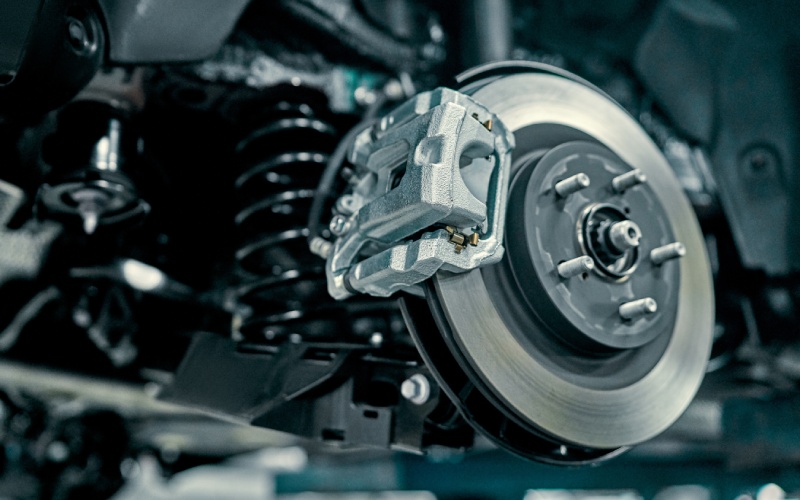
Brake fluid service is only one part of maintaining a healthy brake system. Pads and rotors handle friction, calipers apply clamping force, brake lines carry hydraulic pressure, and fluid makes the system respond when you press the pedal. During a brake inspection, our technicians can measure brake lining wear, inspect rotors, look for leaks, review pedal feel, and identify signs of uneven wear. If brake pads are still in good condition but fluid is aging, a fluid replacement may help maintain system integrity. If pads, rotors, or calipers show wear, brake fluid service may be recommended as part of a more complete repair.
For Lansdale, PA drivers, this matters because daily driving rarely follows a single pattern. One week might include local errands, sports practices, and grocery trips. Another may include commutes toward Montgomeryville, Ambler, Norristown, or Philadelphia. Different routes place different demands on your brakes. Stop-and-go travel uses the system repeatedly, while higher-speed driving makes consistent stopping power especially important. Our service process is designed to identify current concerns and help prevent unnecessary wear. We use Acura-informed procedures, and when Acura components are needed, Genuine Acura Parts help preserve fit, function, and long-term confidence.
What to Expect During a Brake Fluid Appointment
When you schedule brake fluid service with our team, the visit begins with a clear review of your concerns, mileage, maintenance history, and any symptoms you have noticed. The vehicle is then inspected so our technicians can evaluate brake fluid condition and brake system components. If replacement is recommended, old fluid is removed from the hydraulic system and fresh fluid is installed according to proper service procedures. The goal is to restore fluid quality, support consistent pedal feel, and help protect internal brake components.
- Check-in: Share any changes in pedal feel, noise, warning indicators, vibration, or stopping performance.
- Inspection: Technicians evaluate fluid condition, brake pads, rotors, lines, and related components.
- Service: If needed, brake fluid is replaced using the correct process for your vehicle.
- Verification: The brake system is reviewed so you can leave with added confidence.
Convenience also matters. Our service center offers online scheduling, weekday service hours, Saturday service availability, after-hours drop-off, and a comfortable lounge with Wi-Fi and refreshments. For qualifying services, additional support such as courtesy shuttle access or loaner vehicle availability may help your day stay on track. If your vehicle is due for other maintenance, our team can combine a brake fluid review with oil service, tire rotation, battery testing, filter replacement, alignment checks, or a multi-point inspection.
Frequently Asked Questions:
How often should Acura brake fluid be replaced?
Brake fluid replacement intervals can vary by model, driving habits, and maintenance history. Many drivers benefit from periodic replacement every few years, but the best approach is to follow Acura Maintenance Minder guidance and have fluid condition checked during routine service.
Can I keep driving if the brake pedal feels soft?
A soft or spongy brake pedal should be inspected as soon as possible. Brake performance is safety-related, and a change in pedal feel can point to fluid condition, air in the system, leaks, worn components, or another concern.
Is brake fluid service the same as brake pad replacement?
No. Brake fluid service replaces hydraulic fluid inside the braking system, while brake pad replacement addresses worn friction material. A brake inspection can determine whether your vehicle needs one service, both services, or continued monitoring.
Do brake inspections include rotors?
Yes, a thorough brake inspection should include pads, rotors, calipers, brake lines, fluid condition, and visible wear patterns. Rotor condition can affect braking smoothness, noise, vibration, and overall stopping feel.
If you drive in Lansdale, PA and are unsure when brake fluid was last serviced, now is a good time to schedule a professional inspection. Our Acura-trained technicians can review your brake system, explain findings in straightforward language, and recommend the right maintenance path for your vehicle. Schedule your next brake fluid service appointment with our service department today and keep your Acura ready for daily driving, commuting, and every stop along the way.